















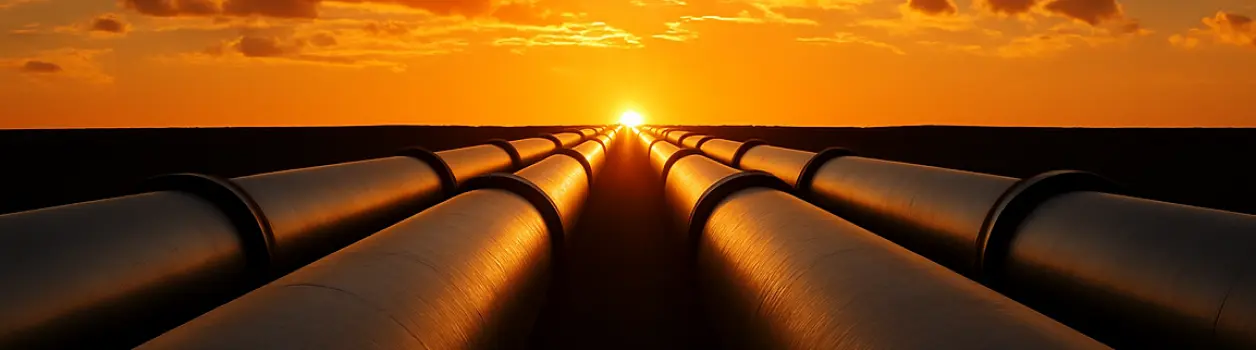
Gas Infrastructure – A Vital and Evolving Network
Gas distribution networks are a crucial part of a country’s energy infrastructure.
In Romania, this essential network extends over thousands of kilometers and serves millions of consumers — from individual households to large industrial companies.
However, a significant portion of the infrastructure was built more than 30–40 years ago, during the technological context of the 1970s–1990s, when materials like steel and cast iron were predominantly used. Although efficient at that time, these materials are now prone to corrosion over time, pressure losses, high maintenance costs, and increased risks during seismic events or ground instability.
The official investment plans published by Transgaz for the 2022–2031 period include substantial projects aimed at rehabilitating and replacing outdated network segments. The objectives are to improve operational safety, reduce losses, and align the national gas infrastructure with energy efficiency and environmental protection requirements. Additionally, European policies and commitments under the National Recovery and Resilience Plan encourage the transition to modern, sustainable materials that are compatible with smart metering technologies.
The Role of Fittings in Gas Infrastructure Projects
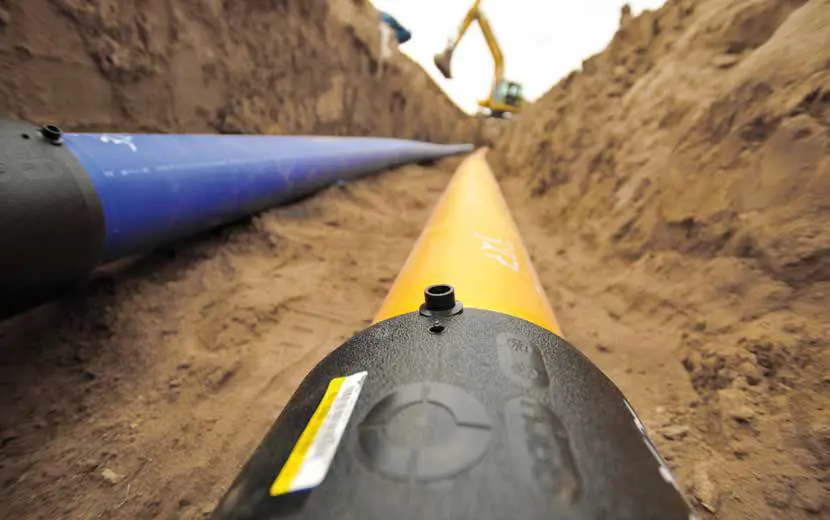
Every gas network is made up of linear pipelines and connection points — such as branches, intersections, and changes in direction. At these critical points, fittings ensure leak-tightness, directional control, and network continuity.
High-density polyethylene (HDPE) fittings are now the preferred solution in modern projects due to their durability, flexibility, and ease of installation. They are resistant to corrosion, lightweight, and do not require cathodic protection — making them ideal for demanding environments and long-term installations.
Choosing the wrong type of fitting or poor installation can lead to gas leaks, pressure issues, or system failures. Therefore, selecting the right connection solutions is not just a matter of cost, but of safety and regulatory compliance.
Practical Applications: Where and How HDPE Fittings Are Used
Fittings are used throughout a gas distribution system:
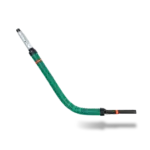
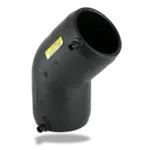
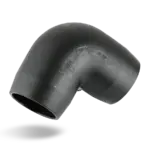
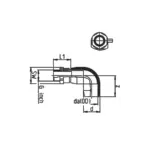
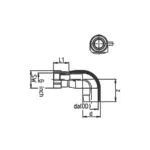
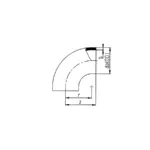
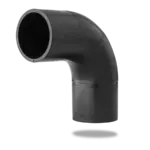
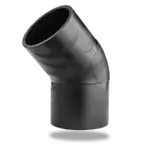
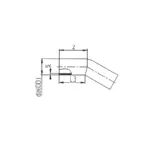
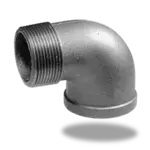
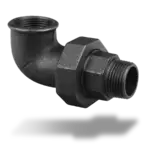
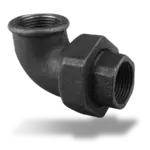
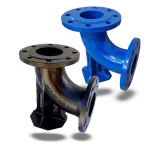
- At pipeline direction changes (elbows).
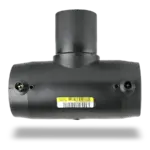
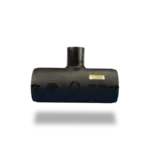
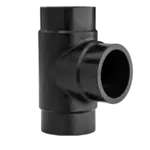
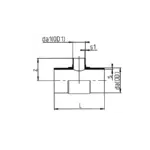
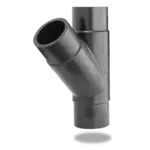
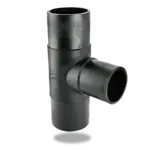
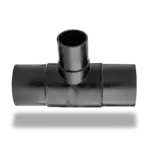
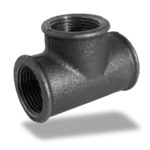
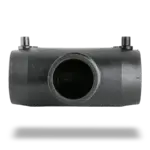
- At intersections or branches (tees).
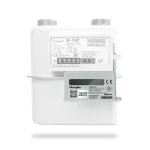
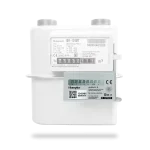
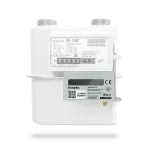
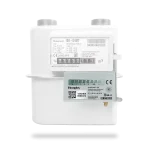
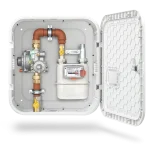
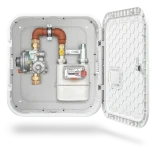
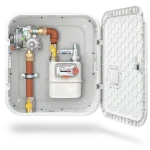
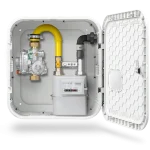
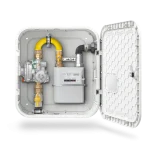
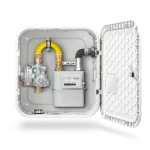
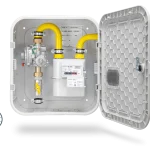
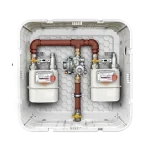
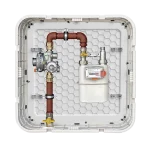
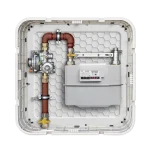
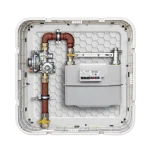
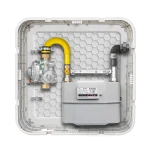
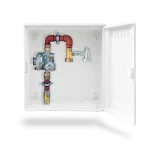
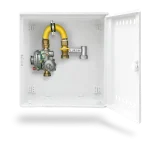
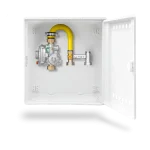
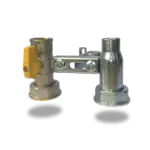
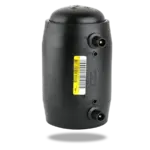
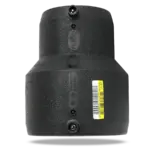
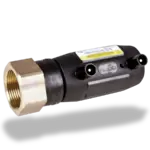
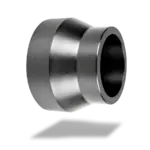
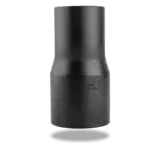
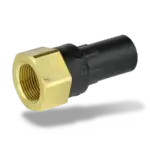
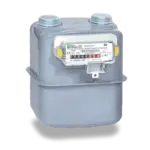
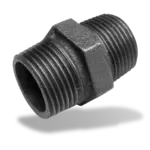
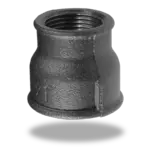
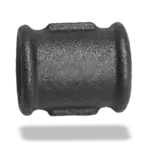
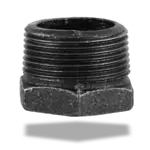
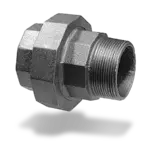
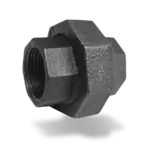
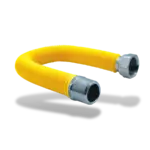
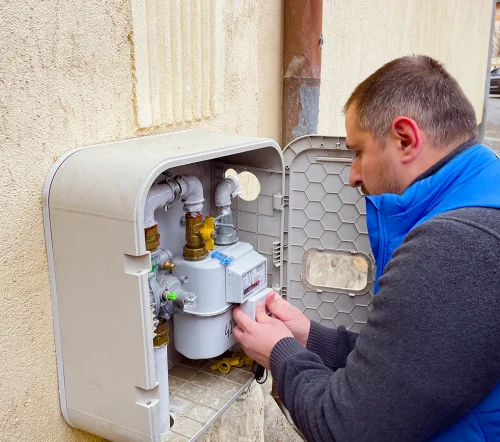
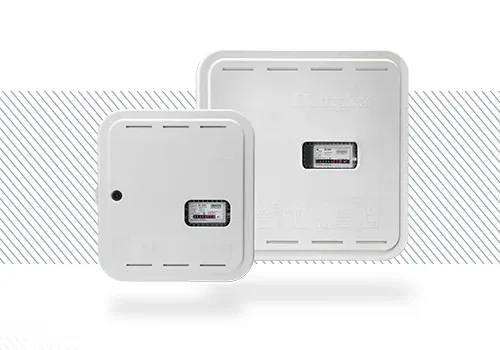
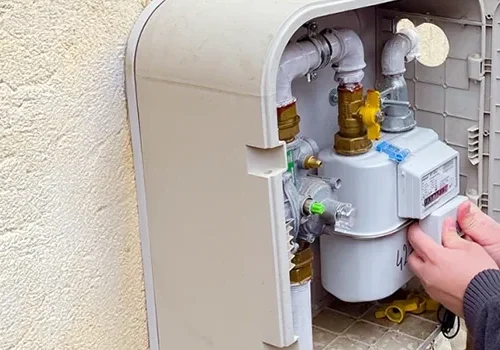
- For connecting gas meters to the network (couplers and reducers).
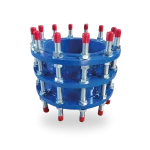
- For network extensions or emergency repairs (mechanical couplings and accessories).
Using high-quality fittings not only simplifies installation but also extends the lifespan of the entire system.
Compliance with Standards: Identifying a Truly Certified HDPE Fitting for Gas Applications
In gas infrastructure, safety and compliance are non-negotiable. Not all polyethylene fittings are created equal — and the difference between an “acceptable” product and a truly compliant one often lies in meeting recognized international quality standards.
For gas distribution networks, the main reference is ISO 4437 — the international standard that defines the mandatory requirements for polyethylene pipes and fittings intended for the transportation and distribution of natural gas. According to ISO 4437, a compliant fitting must:
- Ensure gas-tightness under pressure conditions,
- Guarantee a minimum 50-year service life under standard operating temperatures,
- Resist mechanical impact and ground condition variations,
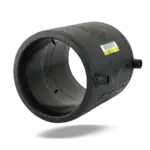
- Be compatible with electrofusion welding methods.
In addition, every fitting must be properly marked for identification and provide full traceability regarding the materials used in manufacturing.
Thus, it is essential for designers and installation companies to thoroughly check the technical documentation and explicitly request ISO 4437 certification when selecting components for natural gas projects. Choosing tested and certified products protects not only the infrastructure investment but also ensures the long-term safety and reliability of the network.
Without ISO 4437 certification, a fitting should not be used in gas distribution networks, even if it is made from HDPE. Always verify product specifications and demand clear, certified documentation.
Total Cost of Ownership: A Critical Factor in Choosing Fittings
When selecting components for gas networks, decisions should not be based solely on the purchase price. A non-compliant or low-quality fitting may seem like a short-term cost saving but carries major operational risks: gas leaks, unplanned interventions, service interruptions, or costly system replacements.
Fittings that comply with international standards may have a slightly higher upfront cost, but they deliver real savings over the long term. Their extended service life, reliable installation, corrosion resistance, and compatibility with standard welding technologies help reduce maintenance needs and intervention costs.
Professionals who view projects from a broader perspective — beyond the execution phase — understand the importance of evaluating solutions based on the Total Cost of Ownership (TCO). Choosing reliable, compliant components not only ensures regulatory conformity but also supports the economic efficiency of the entire network.
The Complete Solution: AGRU Fittings Distributed by Homplex
Regardless of project complexity, partnering with Homplex means fast access to products available from stock, specialized technical support for selecting and sizing the right fittings based on project specifics and site conditions, as well as post-installation assistance during critical verification and commissioning stages.
All solutions offered by Homplex are backed by complete documentation for compliance, traceability, and certification in accordance with European standards applicable to gas infrastructure.
Homplex acts as a technical integrator — not just a distributor — offering flexible commercial relationships and real adaptability to each industry partner’s needs.
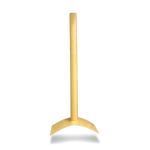
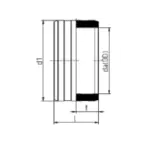
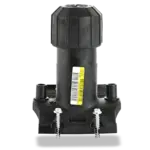
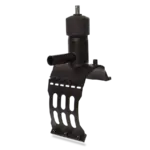
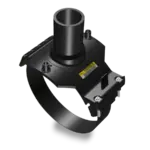
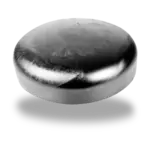
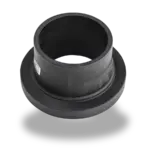
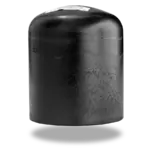
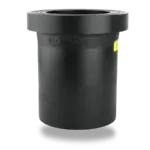
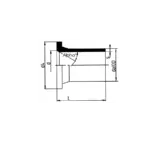
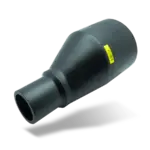
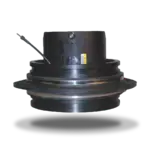
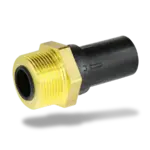
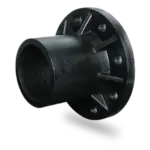
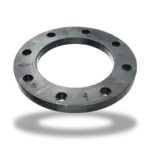
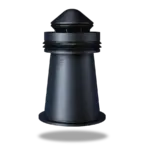
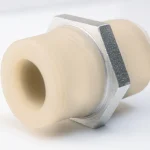
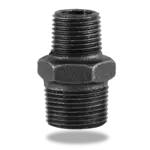
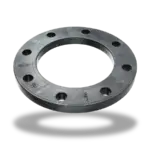
AGRU fittings are available in multiple sizes and configurations: elbows, tees, couplers, reducers, and compatible accessories, suitable for urban, industrial, or rural applications.
A Reliable Network Starts with Smart Decisions
Modernizing gas networks is not just about installing new pipelines. Decisions made at connection points — seemingly minor details — can make the difference between a stable, long-lasting system and one vulnerable to failure.
Homplex offers you more than products. We offer you peace of mind that your network will operate safely, efficiently, and fully compliant with industry standards.
📞 Contact us for a personalized offer.
📦 Discover the full range of AGRU fittings.






No Comments yet!